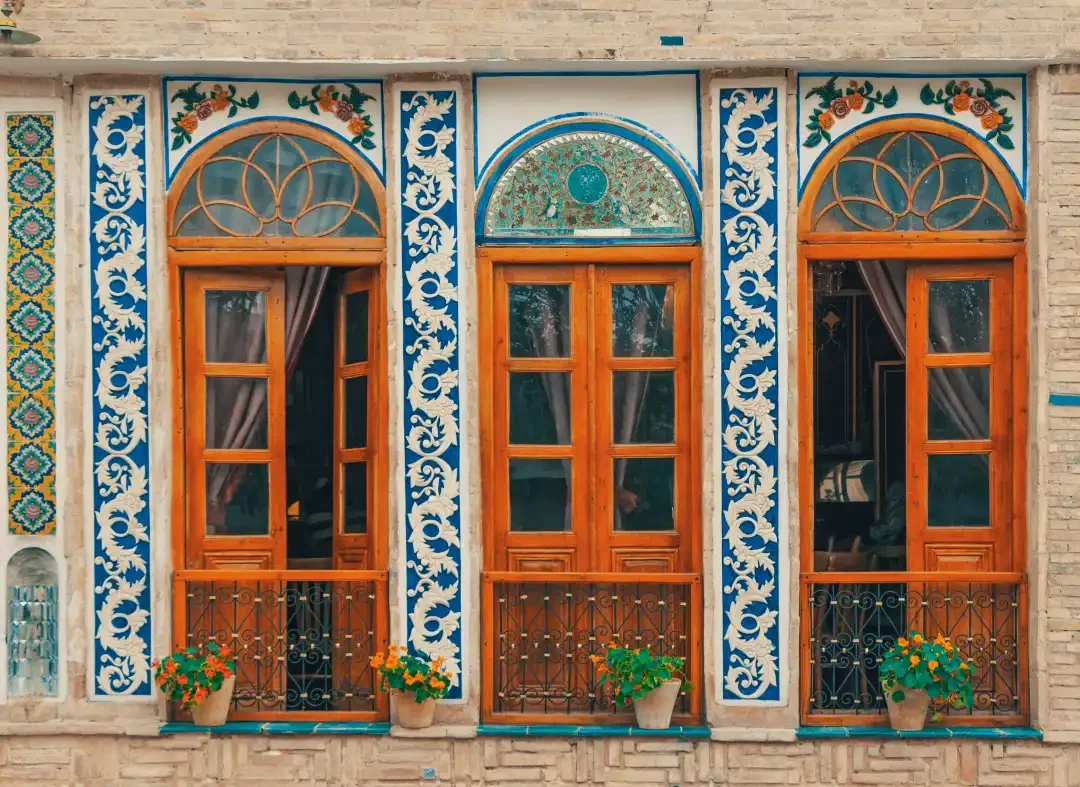
A traditional Iranian facade — arched wooden doors framed by blue and white floral stucco, with potted nasturtiums along the sill.
A personal journal

In Iran, grocers keep a notebook for neighbours who can’t pay. I close those pages.

Daftar-e Mehr is a private, personal initiative dedicated to easing the burden of local food insecurity. In many neighbourhoods, families facing sudden hardship rely on the trust of the local grocer, accumulating private tabs — دفتر نسیه — for basic necessities. This journal documents my personal effort to clear those pages, one store at a time.

Journal · Entry 1
Money set aside for the first visit
First grocer visit
Entry written and posted here
A personal project · Documented for family and friends
Direct impact
Clearing small, outstanding grocery tabs for families in need.
Community resilience
Supporting neighbourhood grocery stores by settling long-overdue tabs.
Personal accountability
An open, honest record of a personal effort — kept for my family and closest peers.

How each visit works

Four steps. Small and personal.
01

It starts with my own money

I set some aside for each visit. That’s the whole financial story.

02

A visit is arranged

Someone I trust personally — family, a lifelong friend — sits with a neighbourhood grocer and asks him to open the credit notebook.

03

The tab is settled

The entries are added up and paid in full on the spot. The debt is simply crossed out.

04

I write it down here

Each visit becomes a journal entry: the story, the crossed-out pages, and what it meant to the grocer.

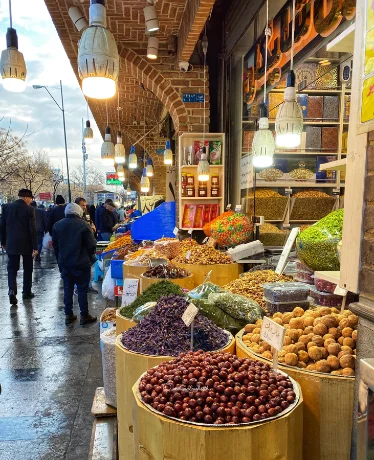
A neighbourhood bazaar storefront in winter, its open bins filled with dried fruit, nuts and pulses as shoppers pass.
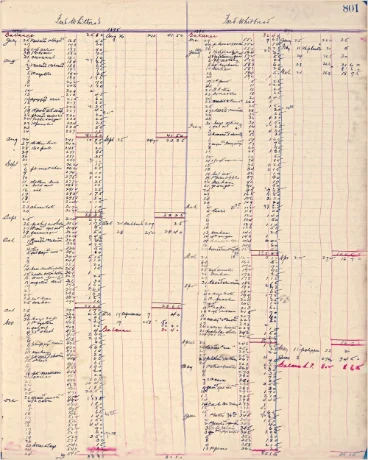
A handwritten ledger, its ruled columns of names and figures totalled by hand.
دفتر نسیه “the credit notebook” — where debts of bread and rice are written by hand
Why a grocery ledger?

Small debts. Heavy weight. Handwritten in a binder.

When inflation runs past a family’s wages, the neighbourhood grocer becomes the lender of last resort — a line in his notebook instead of a receipt. The grocer carries the debt; the family feels it every time they walk into the store.

Settling a ledger frees both at once. It’s something I can actually do from here — and it keeps everyone’s dignity intact, because no one is handed charity. Their debt is simply crossed out.

Read the journal
Moments, written down

Each visit becomes an entry.

A grocer opening his binder, old pages crossed out, a fresh start for a family. I document each visit and post the story here, for the family and friends who follow along.

Video still — a moment from the first visit
Entry 1 — coming after the first visit

The journal, so far

A personal, transparent record of this effort — kept for my family and closest peers, and for my own accountability.

Grocery tabs cleared
0
The first visit is ahead
Personal contributions
$250
Set aside for the first visit
Neighbourhoods visited
0
One walk at a time

Curious about the journal?

If you have questions about the project or the cultural story behind دفتر نسیه, I’d love to hear from you.

ramtin.z@gmail.com

Honest answers

The questions readers ask most, answered plainly.

Why grocery ledgers, of all things?

Because the دفتر نسیه sits at the intersection of hardship and trust. When a family can’t cover basics, the grocer writes a line in his notebook instead of turning them away — and carries that weight himself. Clearing a page frees the family and the shopkeeper at once, with no one’s dignity spent.

Does this include other kinds of shops?

Yes — the practice also includes pharmacies, holding prescriptions a family couldn’t afford to fill.

Who actually makes the visits?

People I know personally and trust completely — family and lifelong friends who live near the neighbourhoods. I keep them anonymous for their privacy; the crossed-out pages and the stories speak for the work.

Can I contribute?

Thank you, but no — this is a personal project I pay for myself. If the idea moves you, the tradition of settling a neighbour’s tab is a beautiful practice that anyone can do. I highly encourage others to bring this spirit of kindness to their own local communities and support the small shops right around them.

How are stores chosen?

There’s no selection committee — it’s a walk through the neighbourhood. Small, family-run shops first; the grocer adds up what’s owed in the binder, the entries are checked, and the tab is settled on the spot.

Why publish any of this at all?

Accountability — to myself, my family, and the close friends who follow along. Writing each visit down keeps the effort honest and preserves a small piece of a culture I love: the notebook, the trust, the quiet kindness.